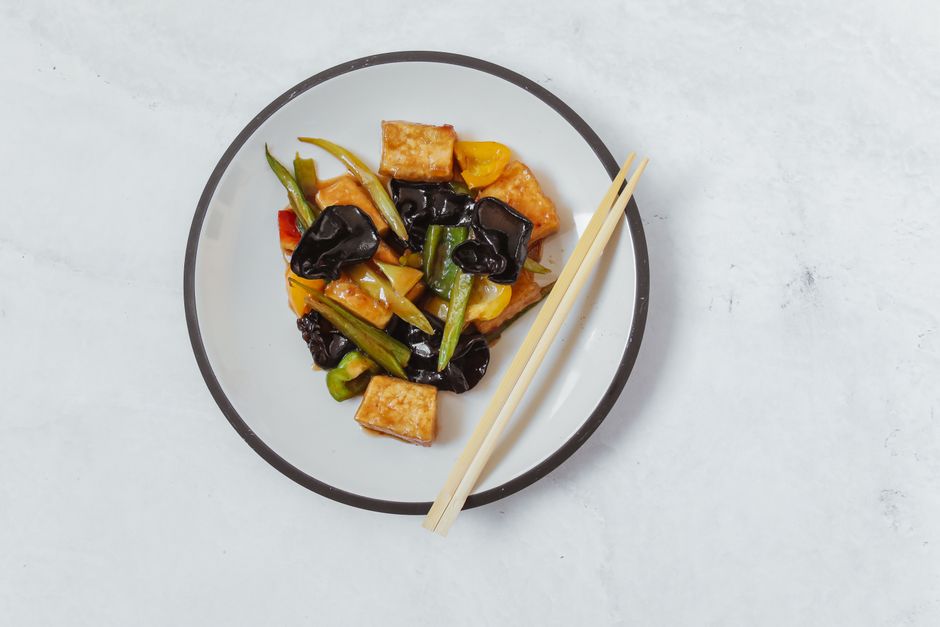
Soy Protein Explained: Why It's the King of Plant-Based Protein
Soy is one of the few plant foods that comes close to being a naturally complete protein, with a full, well-balanced set of essential amino acids — making it a core protein source for vegetarians.
Why Soy Stands Out
Among natural plant foods, soybeans are exceptional both for their protein content and their amino acid profile. Dried soybeans contain roughly 35 to 40 grams of protein per 100 grams, with a full set of essential amino acids in proportions that closely match what the human body needs. That's why soy is often called one of the plant kingdom's rare "complete protein" sources — and its digestibility is also notably higher than that of most other legumes.
Protein Content in Common Soy Products
- Firm tofu: about 8-12 grams of protein per 100 grams
- Pressed tofu: about 15-20 grams of protein per 100 grams
- Dried yuba (tofu skin): about 44-50 grams of protein per 100 grams dry weight, dropping proportionally once rehydrated
- Unsweetened soy milk: about 3 grams of protein per 100 milliliters
- Fresh edamame: about 11-13 grams of protein per 100 grams, along with dietary fiber and folate
Making Soy Work Harder for You
Soy products can stand in for a good share of the animal protein across a day's meals: a glass of soy milk at breakfast, a serving of braised pressed tofu at lunch, half a block of firm tofu at dinner — together these cover more than a third of an adult's daily protein needs. Pairing soy with grains improves amino acid complementarity, as in soy milk with whole-wheat bread, or tofu served over brown rice. Fermented soy products like douchi (fermented black beans) and tempeh digest and absorb even more readily, and are worth rotating into your diet regularly.
Related reading

Common Vegetarian Protein Myths: Eating Enough but Seeing No Results?

Vegetarian Protein Absorption: How Fermenting, Sprouting, and Cooking Change the Picture

Choosing a Plant Protein Powder: Pea, Soy, and Rice Protein Compared
