Oats
Oats are a common whole-grain breakfast staple, rich in beta-glucan, a fiber that helps slow blood sugar spikes and sustain fullness — a perennial favorite in healthy eating.
Nutrition
Oats contain about 10 grams of dietary fiber and 13 grams of protein per 100 grams. Beta-glucan, a soluble fiber that forms a thick gel when it meets water, is oats' signature nutrient, helping slow digestion and prolong the feeling of fullness.
How to Choose
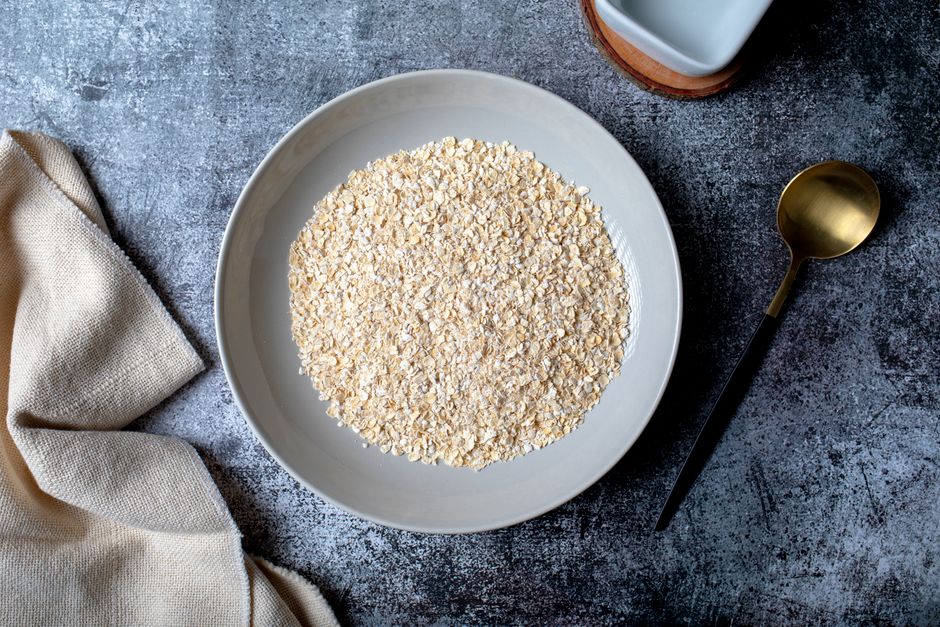
Oats come in several forms depending on processing — whole oat groats, steel-cut oats, rolled oats, and instant oats — with less processing meaning more intact fiber and texture, but longer cooking time. When buying instant oats, check the ingredient list for added sugar.
Cooking
Rolled oats can be soaked in hot water or plant milk for 5-10 minutes before eating, or made into overnight oats the night before and enjoyed straight from the fridge in the morning. Steel-cut oats are best simmered gently over low heat for 20 minutes or more, giving a chewier result.
Storage
Store oats sealed in a cool, dry place to prevent them from absorbing moisture and clumping; they'll generally keep for 6 months to a year. Once opened, use them up promptly, and check for a rancid smell if they've been stored a long time.
Tips
Instant oats are convenient, but their higher degree of processing gives them a higher glycemic index than rolled oats, so anyone watching their blood sugar should favor rolled or steel-cut oats instead. Cooking oatmeal over low heat with constant stirring lets the starch and fiber in the oats release fully, producing a thicker, creamier porridge — nuts and fruit can be added for extra layers of flavor.