Job's Tears
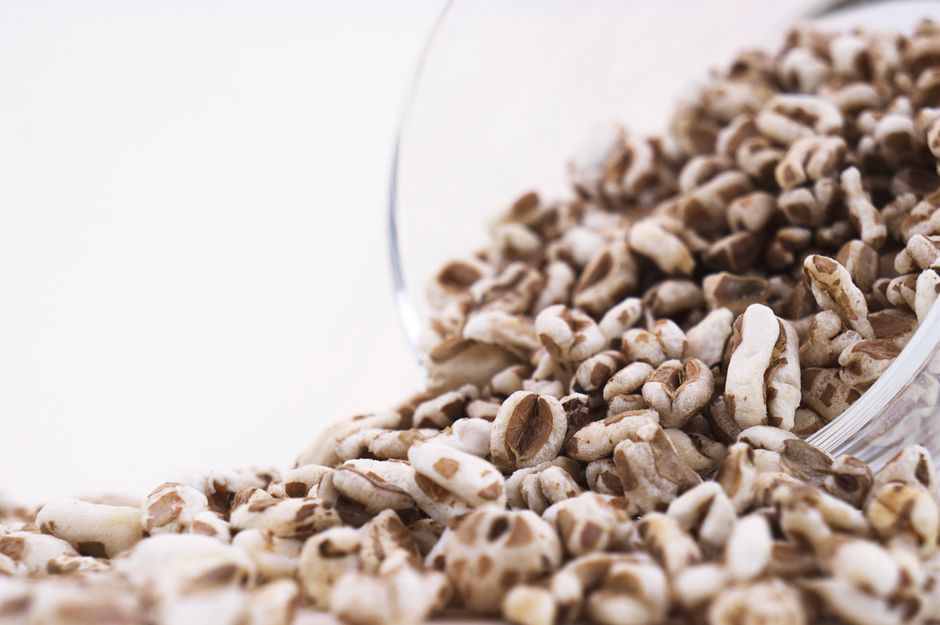
Job's tears, also called pearl barley in English despite being a different grain, are round, pale, and pleasantly chewy — a staple in traditional Chinese food therapy for congee and soup thought to strengthen digestion and clear dampness.
Nutrition
Per 100 grams, Job's tears contain about 12.8 grams of protein and 2 grams of dietary fiber, along with coixenolide and other distinctive compounds. Their fat content is relatively high for a grain and mostly unsaturated, and they're highly valued in traditional Chinese food therapy.
How to Choose
Good Job's tears are plump and round, pale white or slightly yellow, with a natural sheen and a faint grainy aroma. If the grains look unnaturally white (a sign they may have been polished) or smell rancid, quality and freshness are questionable.
Cooking
Job's tears are fairly hard, so soak them for at least 4 hours — or overnight — to shorten the cooking time. Dry-roasting the grains first mellows their cooling nature, making them well suited to simmering with adzuki beans in a damp-clearing soup, a combination many households keep on hand.
Storage
Store Job's tears in a sealed container in a cool, dry place away from moisture and pests, where they'll keep for 6 months to a year. Use them up soon after opening the package, and refrigerate during humid summer months to extend freshness.
Tips
Job's tears have a cooling nature, so those with a weak, cold-sensitive digestive system or women during menstruation should eat them in moderation; dry-roasting mellows this cooling effect, making roasted Job's tears the gentler choice for regular use. Simmering Job's tears with red beans is a classic damp-clearing combination popularly known as 'red bean and Job's tears water' — but for the best effect, be sure the 'red bean' used is the true red cowpea (chixiaodou) rather than the ordinary adzuki bean.