Quinoa
Quinoa, native to the Andes Mountains of South America, is one of the rare plant-based complete proteins, containing all the essential amino acids the body needs, which has made it a favorite of health-conscious eating in recent years.
Nutrition
Quinoa contains about 14 grams of protein and 7 grams of dietary fiber per 100 grams, and its protein includes all nine essential amino acids, making it a complete protein. It's also rich in minerals like iron, magnesium, and zinc, making it a top grain choice for vegetarians looking to optimize their protein intake.
How to Choose
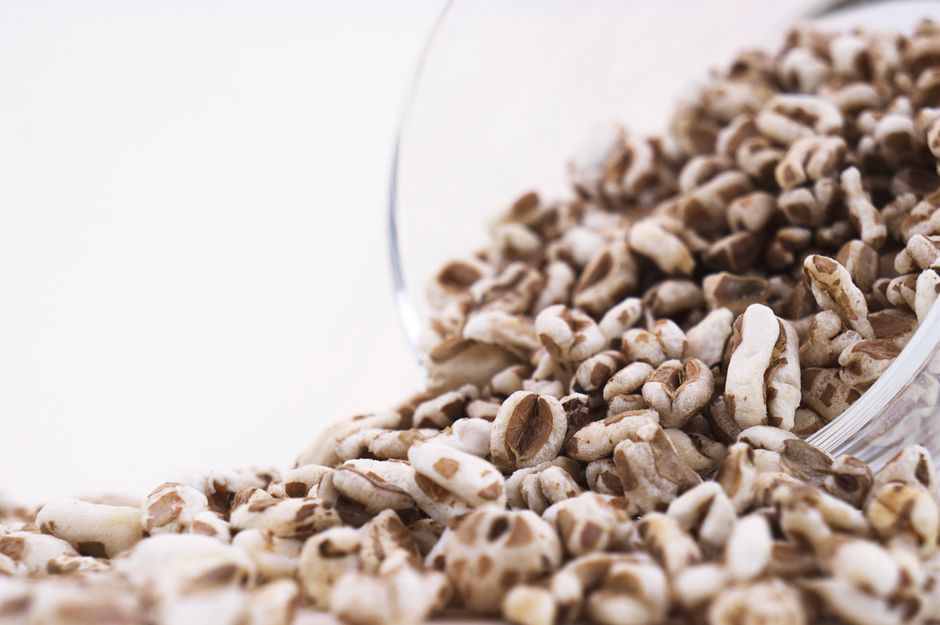
Good quinoa has plump, evenly sized grains in natural colors (white quinoa is pale yellow, red quinoa is reddish-brown, black quinoa is deep black), with no signs of insect damage, mold, or off odors. White, red, and black quinoa are all commonly available, with similar nutritional value — choose based on taste preference, or mix them together.
Cooking
Rinse quinoa before cooking to remove the naturally bitter saponin coating on its surface. Cook at a 1:2 grain-to-water ratio for 12-15 minutes, until the germ forms a translucent ring around each grain — a sign it's done. It can be eaten on its own as a staple, added to salads and soups, or cooked together with other grains.
Storage
Dried quinoa should be sealed and kept in a cool, dry place, where it will keep at room temperature for over a year. Cooked quinoa needs refrigeration and should be eaten within 3 days; it can also be portioned and frozen for quick use in fast meals whenever needed.
Tips
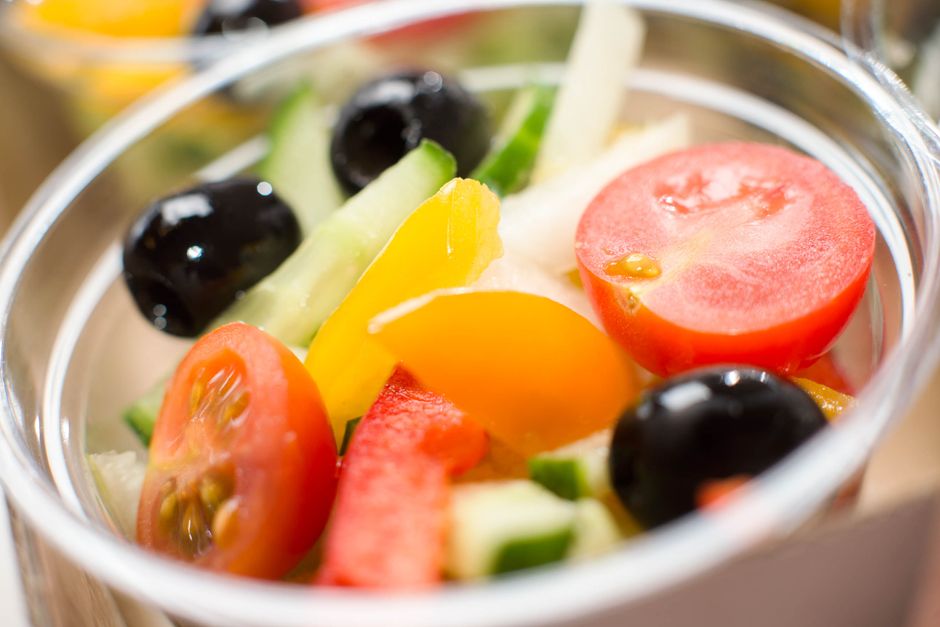
Cooking the three colors of quinoa together produces a more vibrant, appealing mix and rounds out the nutritional profile, making it a popular choice for rainbow salad bowls. Cooked quinoa can be cooled and refrigerated directly; for a quinoa salad, toss it with lemon juice and olive oil for a refreshing, appetite-whetting flavor — a versatile staple that's especially popular in fitness meals and light lunchboxes.