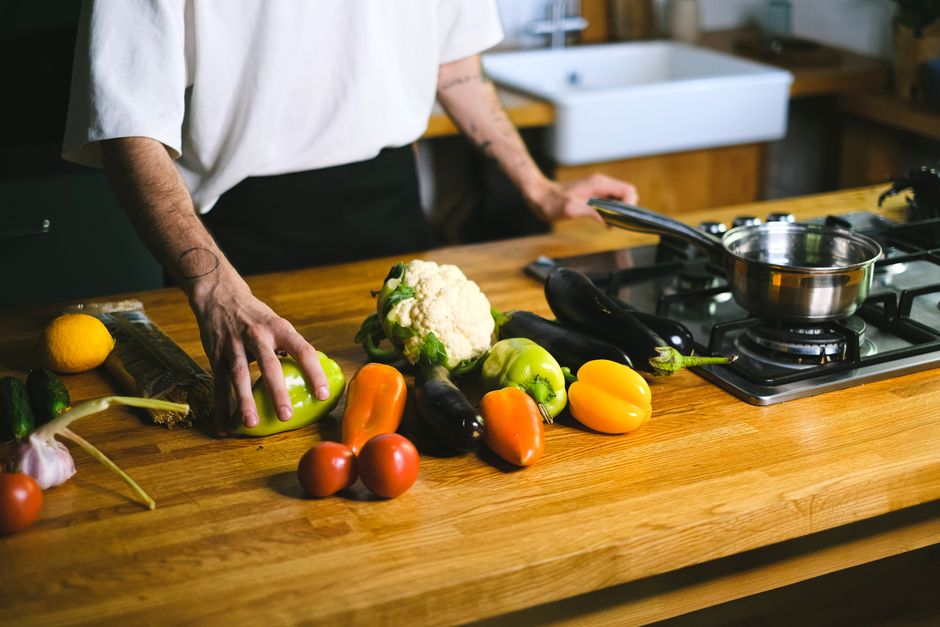
Let the Seasons Guide Your Transition: Going Vegetarian with What's in Season
Pacing your vegetarian transition around the seasons saves money and lets you enjoy produce at its seasonal best.
Why Use the Seasons as Milestones
Seasonal produce is usually cheaper, fresher, and better-tasting. Using the changing seasons as milestones for your vegetarian transition naturally ties the process to “eating well,” rather than making it feel like pure endurance.
A Suggested Pace
- Spring: peas, spring bamboo shoots, and spinach flood the market—a good time to start with simple stir-fried seasonal greens
- Summer: eggplant, green beans, and corn are abundant—a good time to try cold-tossed dishes and vegetarian grilling
- Autumn: pumpkin, chestnuts, and mushrooms are in season—well suited to braised and stewed dishes
- Winter: root vegetables and napa cabbage keep well—ideal for soups, stews, and hot pot
How to Use This
Set yourself a small goal like “these are my go-to dishes this season,” and when the season changes, reflect on how the past season of eating vegetarian went before deciding whether to push further into the next one.
Advice for Beginners
Following the seasons doesn't just save money—it also cuts down on the sense of monotony that can wear you out. Eating with what's in season is, in itself, a source of novelty. If your area doesn't have a great variety of local produce, you can also look into seasonal ingredients from nearby cities, or try pickling and sun-drying methods to preserve a seasonal glut for the leaner months. Adjusting your menu with the seasons will, over time, give you a much more detailed appreciation of local produce—and that's also a way of getting to know the place you live.
Related reading
Six Months Into Vegetarianism: How to Tell If You're Eating Right
The Three Moments Most People Quit During the Transition — and How to Get Through Them

Can You Go Vegetarian During Pregnancy or Breastfeeding? A Careful Transition Guide
