A Complete Guide to Vegetarian Protein Sources: Pairing Legumes and Grains
Protein is the thing new vegetarians worry about most, but get the combinations right and there's really nothing to worry about.
A Checklist of Vegetarian Protein Sources
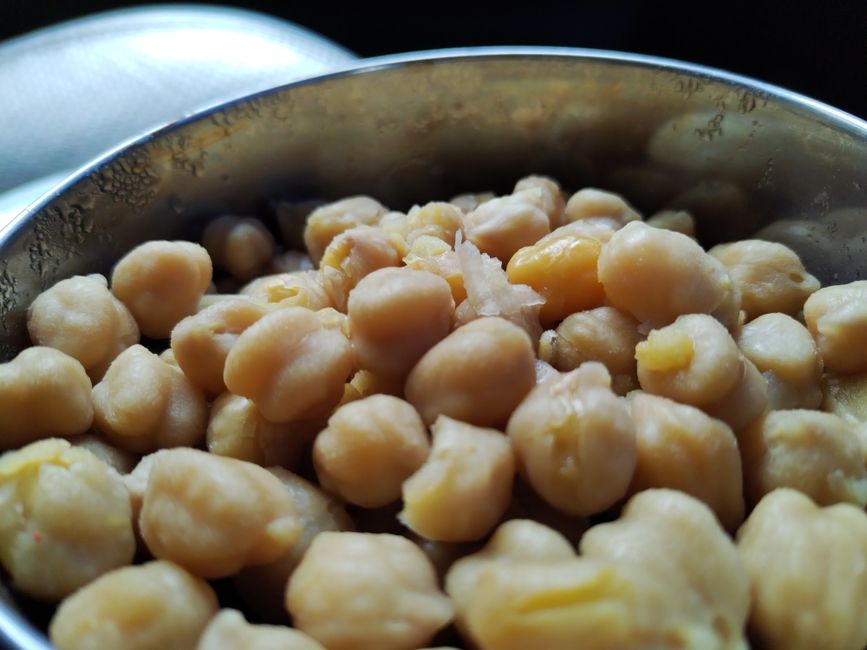
- Legumes: soybeans and soy products, black beans, adzuki beans, chickpeas, lentils
- Grains: quinoa (a complete protein), oats, brown rice
- Nuts and seeds: peanuts, almonds, pumpkin seeds
- Eggs and dairy (if applicable): eggs, milk, cheese
Why Pairing Matters
Most plant proteins other than soy don't contain a full set of amino acids on their own. Eating legumes and grains together — say, multigrain rice with tofu — lets their amino acid profiles fill in each other's gaps. This is actually a long-standing pattern in traditional diets, like soy milk with fried dough sticks, or adzuki beans with rice.
How Much to Eat Each Day
A common reference point is about 0.8 grams of protein per kilogram of body weight per day for the average adult, though actual needs vary from person to person — people who exercise heavily need more, so adjust based on your own situation.
Advice for Beginners
You don't need to calculate every gram of protein. As long as every meal includes a protein source like soy products, grains, or nuts, you'll meet your needs over the long run. If you're still not convinced, you could track your meals on your phone for a day or two and roughly estimate your total protein intake. Once you've found that peace of mind, you usually won't need to keep counting every day — combining foods by feel will be enough.
Related reading

How to Whip Vegetarian Cream: Coconut Milk and Soy Milk Alternatives

Egg-Free Baking in Practice: Adjusting Cake and Cookie Recipes
Plant-Based Meat Nutrition Explained: Is It Worth the Hype?
