Anti-Inflammatory Eating on a Vegetarian Diet: The Role of Omega-3
Omega-3 fatty acids are a key piece of any anti-inflammatory eating pattern, and combined with plenty of fruits, vegetables, and whole grains, a vegetarian diet is naturally well-positioned as an anti-inflammatory foundation.
What Is an Anti-Inflammatory Diet
An anti-inflammatory diet is a dietary pattern that emphasizes foods with anti-inflammatory potential — fruits, vegetables, whole grains, omega-3 fatty acids — while cutting back on pro-inflammatory factors like refined sugar, trans fats, and heavily processed foods. This is a discussion about an overall dietary pattern, not about any single food producing an instant effect.
The Role Omega-3 Plays
Omega-3 fatty acids, especially EPA and DHA, help regulate inflammation-related signaling pathways in the body, and are considered an important part of an anti-inflammatory eating pattern. Vegetarians can cover this fairly well through ALA sources (flaxseed, walnuts, chia seeds) combined with algal oil DHA supplements.
The Natural Advantage of a Vegetarian Diet
A vegetarian diet built around fruits, vegetables, whole grains, and legumes is naturally rich in dietary fiber and antioxidant plant compounds, putting it naturally close to the anti-inflammatory framework already. But over-relying on refined carbohydrates, fried vegetarian dishes, or processed meat substitutes can erode that advantage just as easily — overall diet quality matters more than simply whether or not meat is on the menu. Even ultra-processed foods labeled "vegetarian" can be loaded with refined sugar and low-quality oils in the ingredient list.
Practical Advice
- Keep omega-3 sources consistent: rotate through flaxseed, walnuts, and algal oil DHA
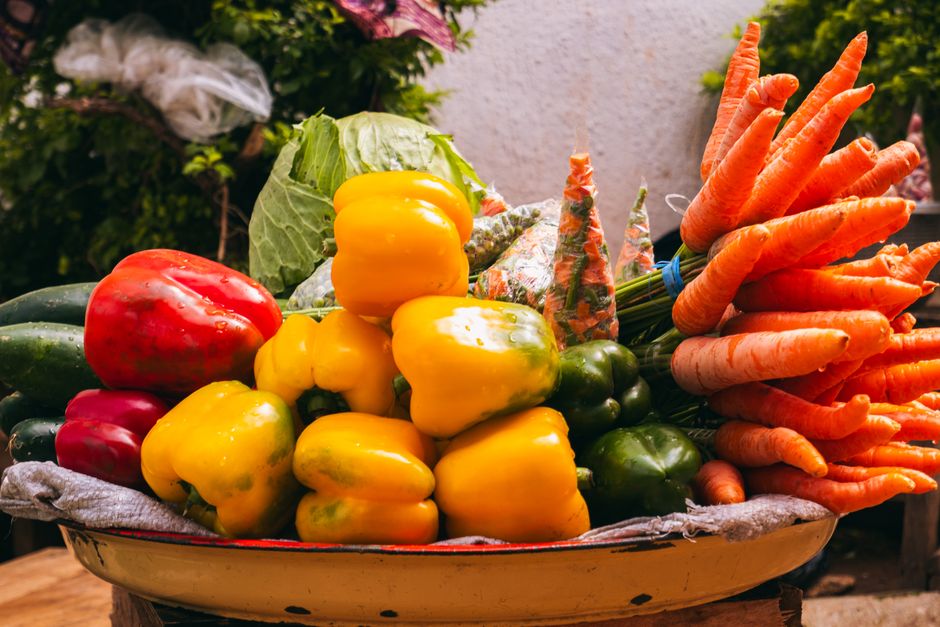
- Eat a wide variety of produce: aim to cover different colors to get a range of plant compounds
- Cut back on heavily processed foods: drink fewer sugary beverages, and eat less refined pastry and fried food
These three habits form the basic foundation for building an anti-inflammatory diet as a vegetarian — sticking with them consistently is more effective than chasing any single "superfood."
Related reading
How Vegans Can Efficiently Get Omega-3? Unveiling Plant Sources and Key Tips

How Vegetarian Families Should Supplement DHA for Infants and Toddlers

Perilla Seed Oil: An Overlooked Local Source of Omega-3