Immunity Slipping? Zinc and Protein Are Two Things Vegetarians Often Overlook
Zinc and protein are both essential to immune function, and since plant-based sources are less readily absorbed, they deserve extra attention from vegetarians.
The Role of Zinc and Protein in Immunity
Zinc is involved in generating immune cells and regulating their function, while protein is the basic building material for antibodies and immune cells. A long-term shortfall in either can show up as slower recovery from colds or slower wound healing — both signs tied to immune function. Vitamin C and vitamin D also play a role in immune regulation and are worth paying attention to alongside zinc and protein in a vegetarian diet.
Why Zinc Intake Is Tricky for Vegetarians
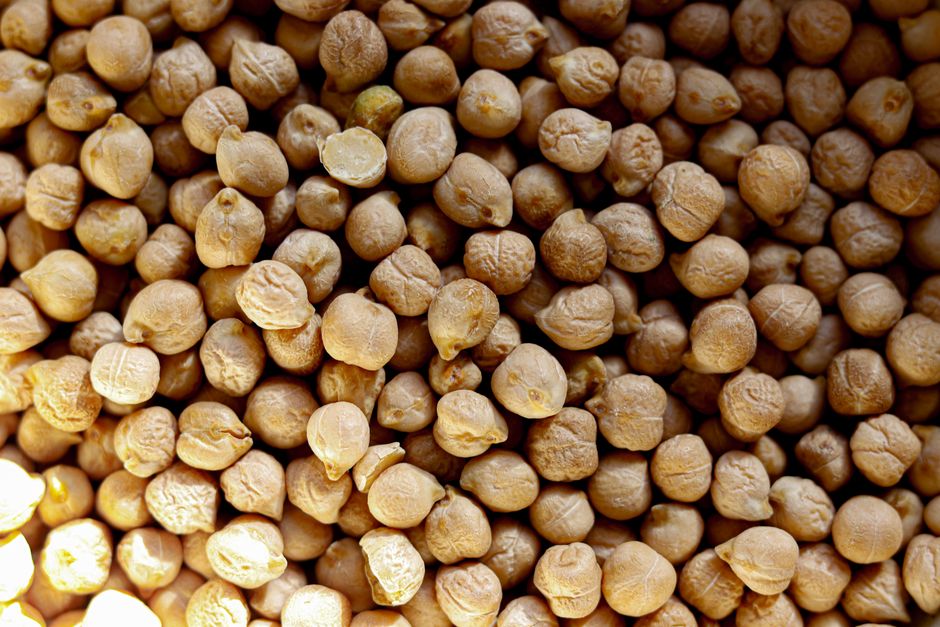
Plant-based zinc comes mainly from legumes, whole grains, and nuts and seeds (pumpkin seeds, cashews, and the like), but these same foods also contain phytic acid, which inhibits zinc absorption to varying degrees. The overall bioavailability of plant-based zinc is lower than that of animal sources, so somewhat higher intake is needed to achieve the same absorbed amount.
Practical Tips
- Soak or sprout legumes and whole grains beforehand to reduce how much phytic acid interferes with zinc absorption.
- Make sure you're eating pumpkin seeds, cashews, or other nuts and seeds daily, whether as a snack or as an ingredient in dishes.
- Make sure total protein intake meets your needs, and avoid chronically low calorie or protein intake.
- Eat a varied mix of fruits and vegetables to cover your daily vitamin C needs as well.
- If you experience recurring infections or persistently slow wound healing, see a doctor for testing rather than relying solely on dietary guesswork.
Related reading

Losing or Gaining Weight Too Fast? How to Adjust the Calorie Structure of a Vegetarian Diet

Joint Discomfort and Vegetarian Diets: The Calcium, Vitamin D, and Omega-3 Triangle
Insomnia, Low Mood, and Nutrients: What's the Connection for Vegetarians?