Does Vegetarian Automatically Mean Healthy? Common Myths to Avoid
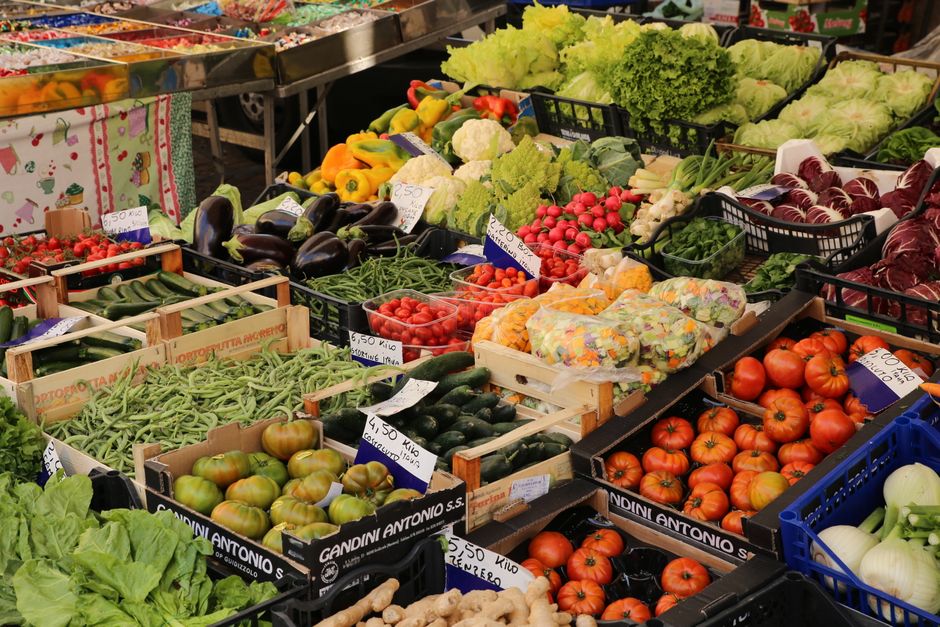
Being vegetarian doesn't automatically make a diet healthy — overall structure and food choices are what matter, and a few common myths are worth every vegetarian knowing about.
Myth 1: Vegetarian = Low-Calorie = Easy Weight Loss
Deep-fried vegetarian dishes, refined carbs, and generous amounts of nuts and vegetable oil can just as easily add up to excess calories. Vegetarian food isn't inherently low-calorie — overall diet structure and portion control are what actually determine weight outcomes.
Myth 2: Skipping Meat Automatically Means a Balanced Diet
A diet that relies heavily on refined grains, processed meat substitutes, or a narrow range of vegetables can still fall short on protein, iron, zinc, B12, and other nutrients. Not eating meat and eating a nutritionally balanced diet are two different things.
Myth 3: Vegetarians Don't Need to Worry About Cholesterol or Calcium
Plant foods contain no cholesterol, but processed foods high in trans fats or saturated fat (like coconut-cream products or fried foods) can still affect blood lipid levels. Likewise, not drinking milk doesn't mean calcium can be ignored — dark leafy greens and soy products still need to be actively planned for.
Myth 4: All Meat Substitutes Are Healthier Than Real Meat
Some processed meat substitutes, in order to mimic the taste and texture of meat, are far from low in sodium or saturated fat. It's just as important to check the nutrition label when buying them — the word "vegetarian" alone doesn't guarantee it's the healthier choice.
Myths at a Glance
- Vegetarian = low-calorie: False — it depends on the specific ingredients and cooking method.
- Skipping meat = balanced nutrition: False — variety still matters.
- Vegetarians don't need to watch their blood lipids: False — processed foods affect lipids just the same.
- Meat substitutes are always healthier: False — check the nutrition label.
The Key Takeaway
Whether a vegetarian diet is healthy comes down to what you actually eat and whether it's balanced and varied — not the single label of whether or not you eat meat.
Related reading

Losing or Gaining Weight Too Fast? How to Adjust the Calorie Structure of a Vegetarian Diet

Joint Discomfort and Vegetarian Diets: The Calcium, Vitamin D, and Omega-3 Triangle
Insomnia, Low Mood, and Nutrients: What's the Connection for Vegetarians?