Does Cooking in a Cast-Iron Pan Really Boost Your Iron Intake?
Cooking in a cast-iron pan does slightly raise the iron content of food, but the effect is limited and can't substitute for an overall plan to get enough dietary iron.
The Logic Behind Cast-Iron Cooking
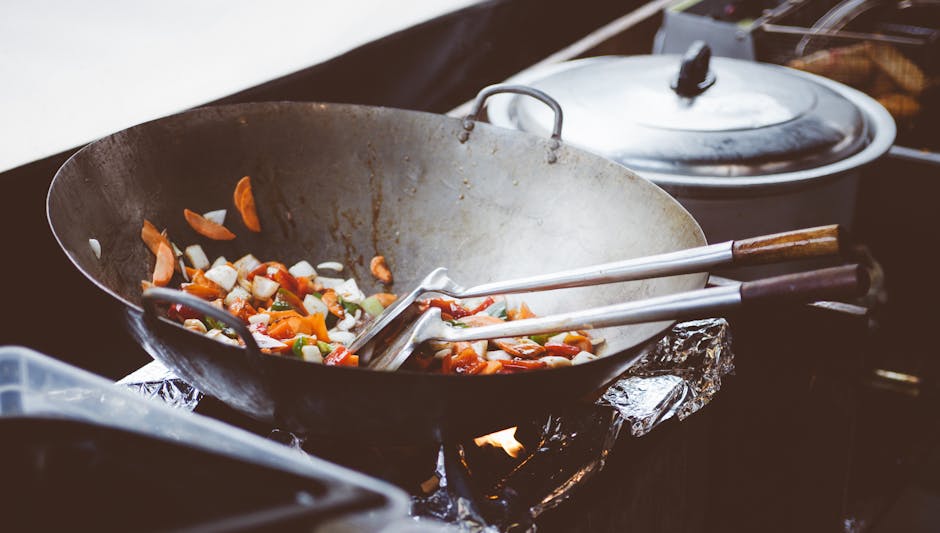
When a cast-iron pan is used for high-heat stir-frying, especially with acidic ingredients like tomatoes or vinegar-based dishes, a small amount of iron migrates from the pan's surface into the food, genuinely raising its iron content a little. This effect has been documented in nutrition research — historically, studies have recorded changes in the iron content of food cooked in cast-iron cookware — but the amount gained varies widely depending on how old the pan is, cooking time, and the acidity of the food, making it hard to pin down a precise figure.
Where the Limits Are
- Most of the iron released from a cast-iron pan is still non-heme iron, so absorption remains limited
- With continued use of the same pan, the amount released declines over time as the cookware ages and develops a protective coating on its surface
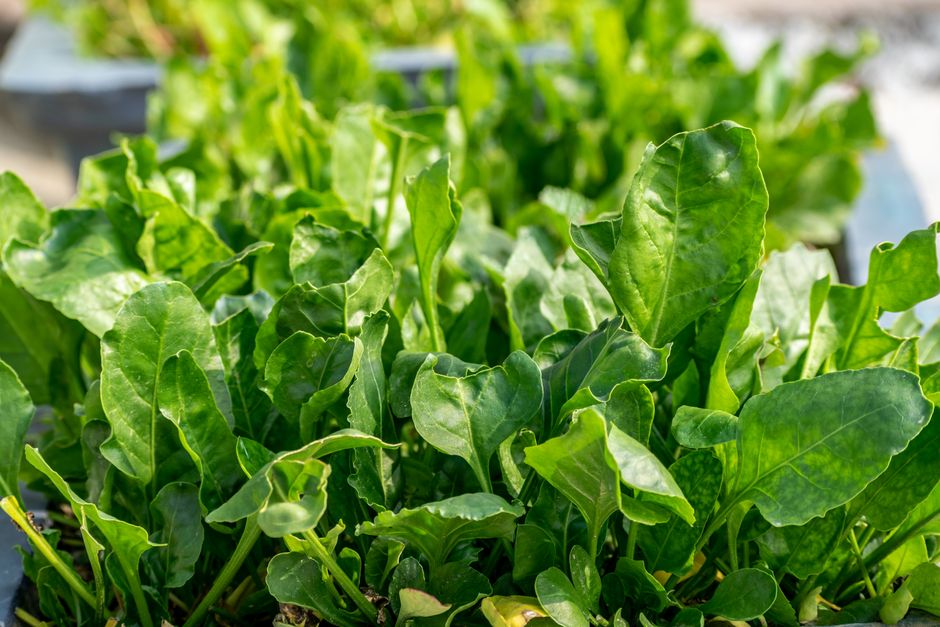
- It can't replace the role of deliberately iron-rich foods like sesame paste, legumes, and dark leafy greens
- Non-stick and stainless-steel pans show essentially none of this iron-release effect
Keeping It in Perspective
Cooking with a cast-iron pan can serve as a nice bonus habit — it helps a little, especially with acidic ingredients — but it shouldn't be treated as a primary iron strategy. A genuinely effective approach to getting enough iron still comes down to food choices, pairing with vitamin C, and a consistent overall diet. Taking good care of a cast-iron pan (avoiding rust, seasoning it properly) is also a worthwhile bit of kitchen know-how in its own right.