How Vegetarian Mothers Can Keep Breast Milk Well-Nourished
Calorie and nutrient needs stay elevated throughout breastfeeding, so vegetarian mothers need to eat enough overall while keeping an eye on a few key nutrients.
The Extra Demands of Breastfeeding
Breastfeeding requires roughly 500 extra calories a day to support milk production, and the need for protein, calcium, B12, and DHA is even higher than during pregnancy. Insufficient calorie and nutrient intake usually doesn't directly reduce the actual volume of milk produced, but it can draw down the mother's own nutrient reserves — over time, this often leads to fatigue, hair loss, and similar problems in the mother herself.
Key Points for Meal Planning
- Eat enough staple foods and quality fats every day, and avoid over-restricting food in an effort to lose the baby weight quickly.
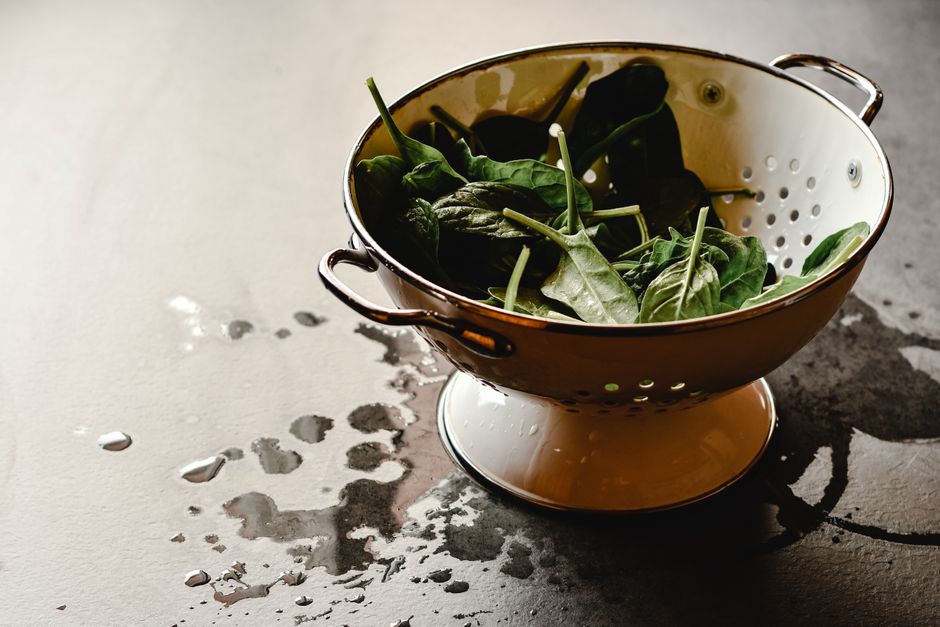
- Keep up steady intake of soy products, dark leafy greens, and fortified plant milk to cover both protein and calcium.
- Continue regular B12 and algae-oil DHA supplementation — needs during breastfeeding are actually slightly higher than during pregnancy.
- Drink plenty of water to stay well hydrated.
About "Milk-Boosting" Foods
Folk wisdom offers plenty of remedies said to boost milk supply (pig's trotter soup, crucian carp soup, and the like), and vegetarian mothers often worry they have no equivalent. In reality, what actually determines milk supply is frequent, effective nursing and the mother's overall nutritional status — not any particular food. There's no need to feel anxious just because a traditional "milk-boosting dish" isn't an option.
Clearing Up a Common Worry
Many mothers worry that a vegetarian diet means less nourishing milk. In fact, the macronutrient content of breast milk is relatively stable regardless of the mother's diet — what's more affected by maternal intake is the concentration of certain vitamins, such as B12 and vitamin D. This is exactly why vegetarian mothers who are breastfeeding need to pay particular attention to supplementing these nutrients.
Related reading

Simple, Nutritious Vegetarian Meals for the College Dorm

Vegetarian Eating Tips for Managing High Blood Pressure, Cholesterol, and Blood Sugar
Pre- and Post-Competition Nutrition Strategies for Vegetarian Athletes