Plant Milk 101: Beyond Oat Milk, Have You Tried These Hidden Gems?
With a wide variety of plant milks, each offering unique nutritional highlights, this article guides you through ingredient labels, nutrition, and DIY methods to unlock quality options beyond oat milk.
How to Choose Plant Milk? Read the Ingredient Label First
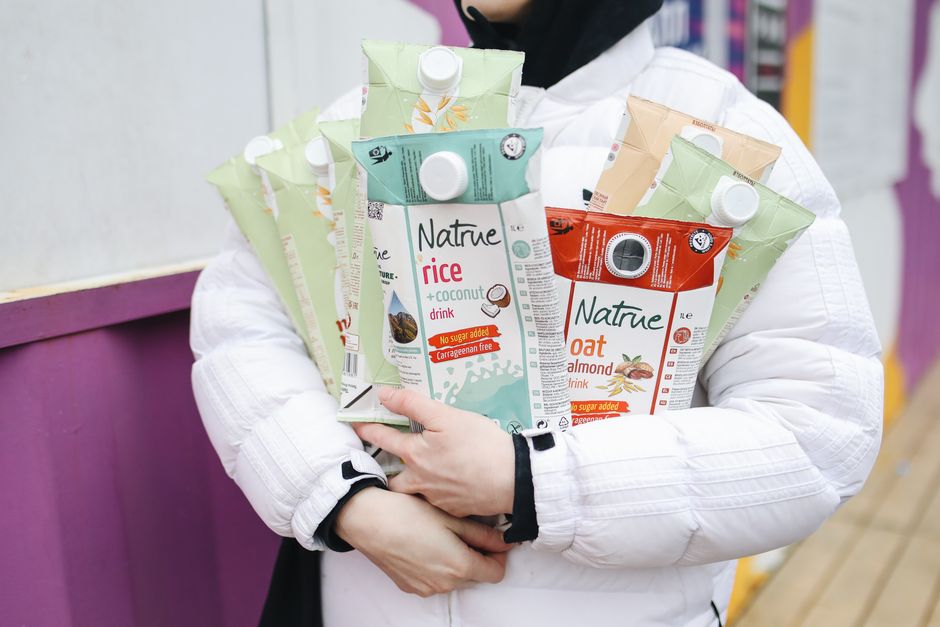
There are countless plant milks on the market, but don't be fooled by labels like "plant-based" or "organic." The key is the ingredient list: water is first, followed by the plant ingredient. Beware of added sugars, flavorings, and excessive thickeners. Look for a pure formula consisting of only "water + plant + salt."
Hidden Gems: Underrated but Impressive Plant Milks
- Hemp milk: Rich in omega-3s and complete protein, with a nutty flavor—a nutritional powerhouse for vegans.
- Pea milk: Protein content comparable to cow's milk, and free of common allergens, making it suitable for sensitive individuals.
- Flaxseed milk: Though low in protein, it offers over 2 grams of omega-3 per cup, and has a naturally silky texture.
- Hazelnut milk: Low in calories, with an intense roasted hazelnut aroma—perfect for coffee lattes.
Nutritional Comparison: Protein and Fortified Calcium
Protein content varies greatly among plant milks: oat and almond milks typically provide only 1 gram per cup, while pea and hemp milks can deliver up to 8 grams. If calcium intake is a concern, choose products fortified with tricalcium phosphate or calcium carbonate, which have better absorption. Remember to shake well before drinking, as calcium tends to settle.
Secrets to DIY Plant Milk
Making your own is the most economical and purest option. Take oat milk as an example: soak 100 grams of rolled oats for 30 minutes, drain, add 800 ml of cold water, blend in a high-speed blender for 1 minute, then strain through cheesecloth. Want it smoother? Add a few pitted dates or a pinch of salt to enhance sweetness. Store in the fridge for up to 3 days; shake before use.
Unexpected Uses for Plant Milk
Beyond drinking, plant milk can replace dairy milk in baking, sauces, and curries. Hemp and pea milks, being high in protein, don't separate when heated, making them great for savory soups. Oat milk has natural sweetness, so no extra sugar is needed in oatmeal or lattes.
Summary
Plant milks are not imperfect "milk substitutes" but independent nutritional ingredients. Depending on your needs—whether it's protein, calorie control, or low carbs—choose the one that suits you best, and try your hand at making your own to explore your personal flavor.