Morel Mushroom
Named for its cap’s pitted, honeycomb surface resembling sheep tripe, the morel is a widely prized luxury mushroom with a distinctive, intense aroma, commonly used in soups and upscale vegetarian banquets.
Nutrition
Dried morels contain over 20 grams of protein per 100 grams, along with a wide range of amino acids, polysaccharides, and trace minerals like selenium and zinc, all with low fat content. Their nutrient density ranks among the highest of all mushrooms, making them a prized ingredient in nourishing vegetarian soups.
How to Choose
The best dried morels are whole and unbroken, with a distinct, well-defined honeycomb pattern on the cap, a brownish-yellow color, and a clean interior free of sand or grit. They should feel dry rather than damp when pressed, with a pure, rich aroma and no trace of mustiness or harsh odors.
Cooking
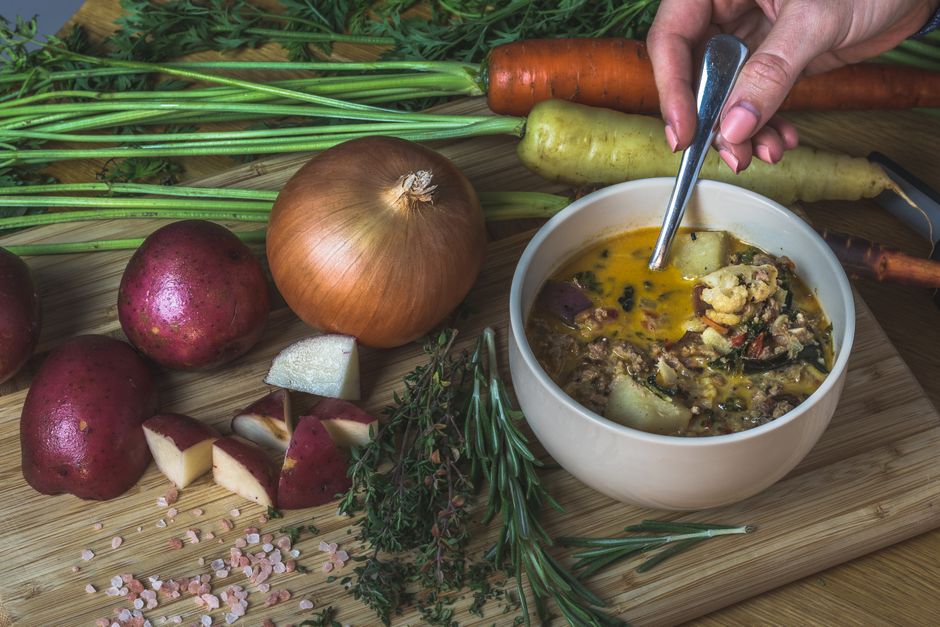
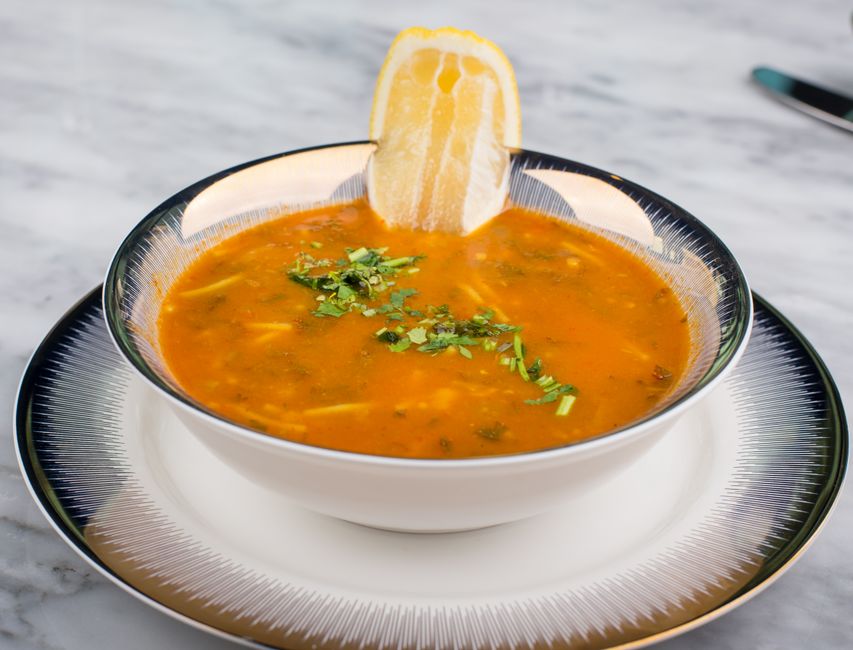
Soak dried morels in warm water or lightly salted water for 1 to 2 hours. Once the soaking liquid settles clear, save it as a soup base — it’s intensely flavorful and shouldn’t go to waste. Morels pair especially well with cream-based soups, simple clear broths, or a quick sauté with nuts; they hold their shape well through long cooking, fully releasing their aroma along the way.
Storage
Store dried morels sealed, away from light, in a cool, dry place, protected from moisture and pests — refrigerating or freezing them is best, and they’ll keep their aroma for over a year. Fresh morels should be refrigerated promptly and used within 2 to 3 days.
Tips
Morel prices vary widely depending on origin, size, and how intact the mushrooms are, so buy from a reputable source and be wary of prices that seem too good to be true — they can signal inferior quality or adulteration. Fine grit tends to hide inside the hollow cap, so rinse the interior thoroughly after soaking, splitting the mushroom in half if needed for a more thorough clean — leftover sand can really spoil the texture and the meal.