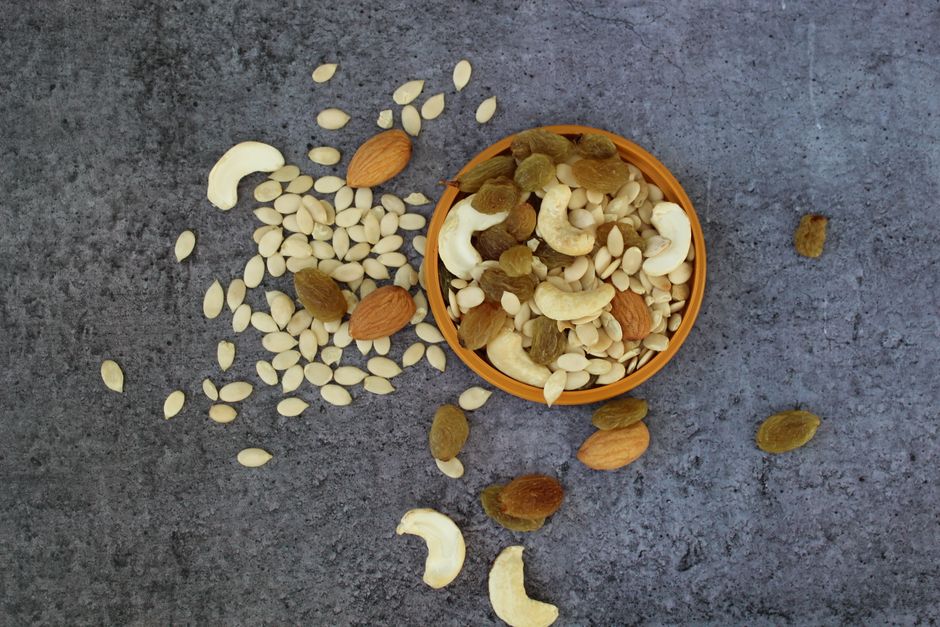
Apricot Kernel
In Chinese cooking, 'xingren' usually refers to apricot kernels — sweet (nan xing) or bitter (bei xing) — used in soups and desserts, and is a different plant altogether from the Western snack almond (badanmu).
Nutrition
Per 100 grams, sweet apricot kernels (nan xing) contain about 45 grams of fat and 24 grams of protein, along with amygdalin and other distinctive compounds. Bitter apricot kernels (bei xing) contain much more amygdalin and are traditionally processed before being used in small doses in medicinal cooking — they should not be eaten raw in any quantity.
How to Choose
Choose plump, whole, dried kernels in a creamy off-white to pale yellow color, with no insect damage or mold. Sweet apricot kernels have a mild sweetness and can go straight into soup; bitter apricot kernels are intensely bitter and potent, and are typically used only in small amounts alongside sweet kernels — they're not recommended for buying or eating on their own in quantity.
Cooking
The classic use for apricot kernels is in Cantonese-style double-boiled soups and desserts, such as apricot kernel soup with Asian pear, or with figs. Sweet and bitter kernels are usually combined in roughly an 8:2 ratio, which tempers the bitterness while keeping the distinctive aroma; simmering for 40 minutes or longer brings out the best flavor.
Storage
Store dried apricot kernels in a sealed container in a cool, dry place, where they'll keep for several months. Use them up soon after opening, and discard any that feel damp or smell rancid, since that will spoil the flavor of your soup.
Tips
Because bitter apricot kernels contain higher levels of amygdalin, eating too many raw carries a real risk of poisoning — always measure carefully and cook them thoroughly, and never eat bitter apricot kernels as a snack. If you can't tell sweet and bitter kernels apart yourself, look for pre-portioned mixed packages sold for this purpose; they're safer and more convenient, especially for anyone trying Cantonese-style double-boiled soup for the first time.