Miso
A traditional Japanese paste made by fermenting soybeans with rice or barley koji, miso has a deep, savory flavor and forms the essential base for miso soup and a wide range of pickles and dipping sauces.
Nutrition
Miso is fairly high in sodium (roughly 3,000–5,000 mg per 100 grams). Fermentation generates an abundance of free amino acids and live probiotics, while retaining the soybean's plant protein and isoflavones — making it a fermented seasoning that offers both flavor and genuine nutritional value.
How to Choose
Miso varies by fermentation time and koji type: white miso ferments briefly and tastes light and sweet, while red miso ferments longer for a deeper, saltier flavor. Choose based on how you plan to use it, and check that the ingredient list shows only soybeans and koji with no animal-derived additions.
Cooking
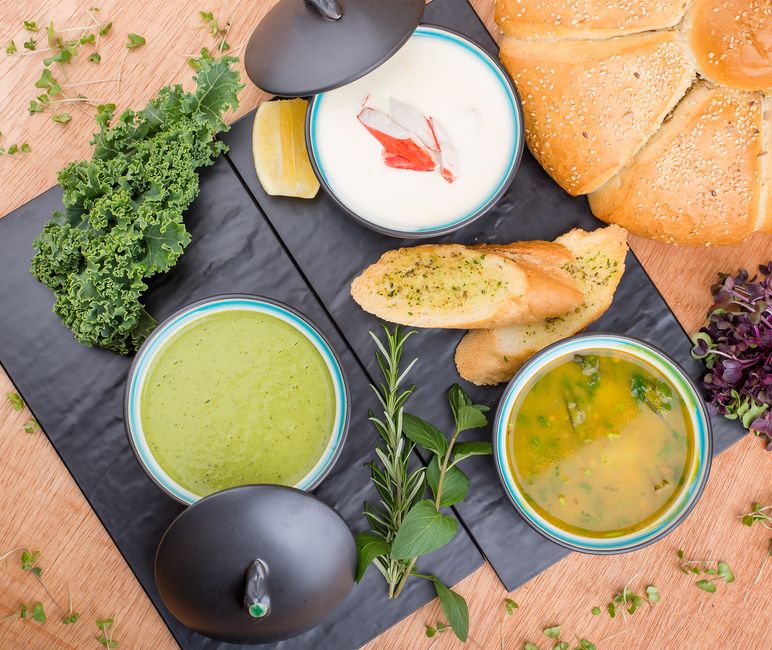
Miso soup is the classic use — stir the miso in after taking the pot off the heat, so the high temperature doesn't kill off the probiotics or degrade the flavor compounds. Miso is also great for pickling vegetables, mixing into sauces, or as an umami-boosting base for braises; its bold flavor pairs with almost anything.
Storage
Thanks to its thorough fermentation and high salt content, miso keeps well refrigerated. Seal it and refrigerate after opening, and it will generally last several months to half a year or more — the color will gradually darken over time.
Tips
When choosing miso, check the aging period listed on the package: longer aging brings a more complex, concentrated flavor but also higher saltiness, so beginners might start with a shorter-aged white miso. Beyond soup, miso is also good for pickling eggplant or daikon, or brushed onto roasted vegetables for a savory, caramelized flavor boost.