Vegetarian Oyster Sauce
Simmered from shiitake mushrooms, kelp, and other plant ingredients, vegetarian oyster sauce recreates the deep umami and clinging texture of traditional oyster sauce, making it a key seasoning for vegetarian stir-fries.
Nutrition
Vegetarian oyster sauce is generally high in sodium (often over 2,000 mg per 100 grams) but low in calories, since its role is to add umami rather than nutrition. Use it sparingly as a seasoning, and anyone managing high blood pressure should be especially mindful of total sodium intake.
How to Choose
Check the ingredient list carefully to confirm there's no oyster extract, fish sauce, or other animal-derived ingredients. Favor products where shiitake mushroom extract and kelp extract are the main umami sources, and watch for excessive caramel coloring or preservatives.
Cooking
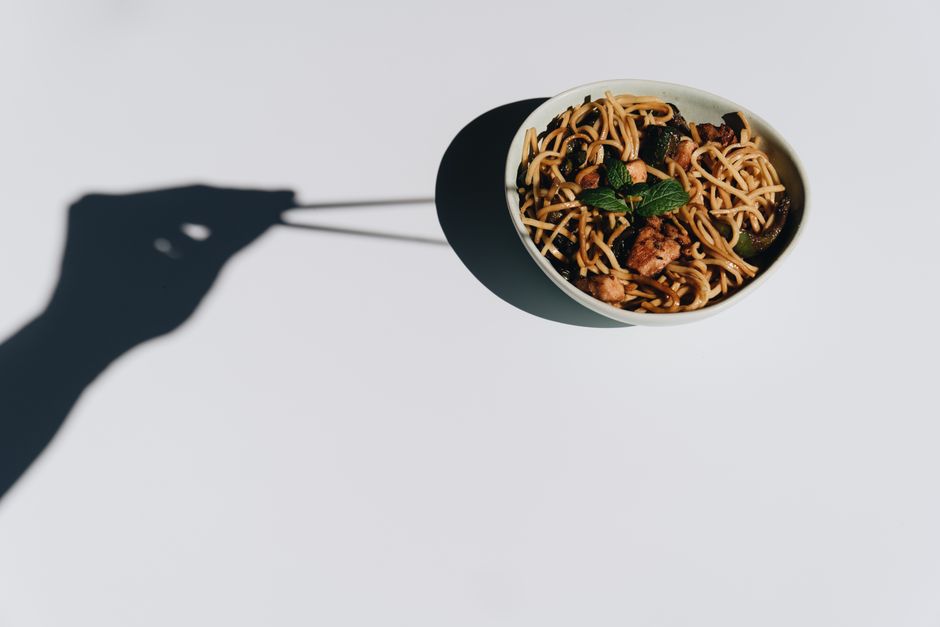
Vegetarian oyster sauce works well in stir-fried greens, tossed noodles, and braised vegetable dishes, adding both umami and color. Use it the same way as regular oyster sauce — drizzled in just before the dish comes off the heat, or cooked briefly with other seasonings. Because it's fairly salty, cut back on added salt accordingly.
Storage
Once opened, screw the cap on tightly and refrigerate to limit air exposure, which can dull the flavor over time. It generally keeps for 2–3 months; discard it if it separates, develops sediment, or smells off.
Tips
Color and thickness vary between brands and formulas, so it's worth trying a small bottle first before committing to a larger, more economical size once you've found one you like. Beyond stir-fries, vegetarian oyster sauce also adds interest to cold tossed dishes or dumpling dipping sauce, and many vegetarian restaurants use it as the base for an all-purpose sauce.