Button Mushroom (Portobello)
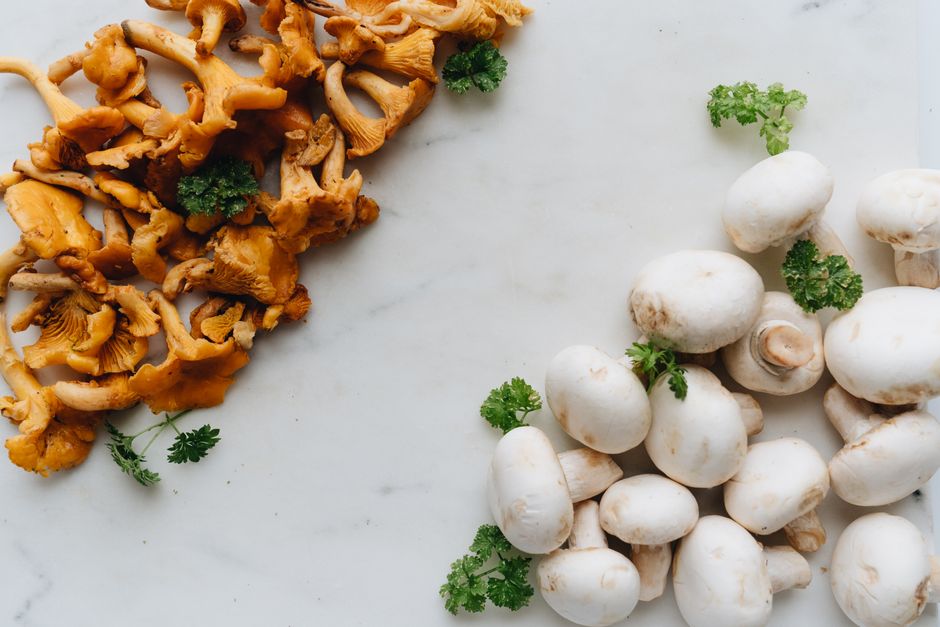
Better known as the common white mushroom on supermarket shelves, the button mushroom turns brown and is sold as the portobello once fully mature, its thick, juicy flesh making it the main variety used in Western roasted and canned mushroom dishes.
Nutrition
Button mushrooms provide roughly 22 to 30 kilocalories per 100 grams depending on ripeness, about 3 grams of protein, and 1 to 2 grams of dietary fiber. The mature brown form has slightly less water content, giving it a more concentrated flavor and mineral content than the young white mushroom.
How to Choose
Choose based on how you plan to use them: mushrooms with tightly closed, bright white caps are best sliced raw for salads or used in stir-fries, while the larger, fully opened brown portobellos have thick, juicy flesh better suited to roasting whole or stuffing. Whichever type you pick, look for dry gills with no wetness or stickiness.
Cooking
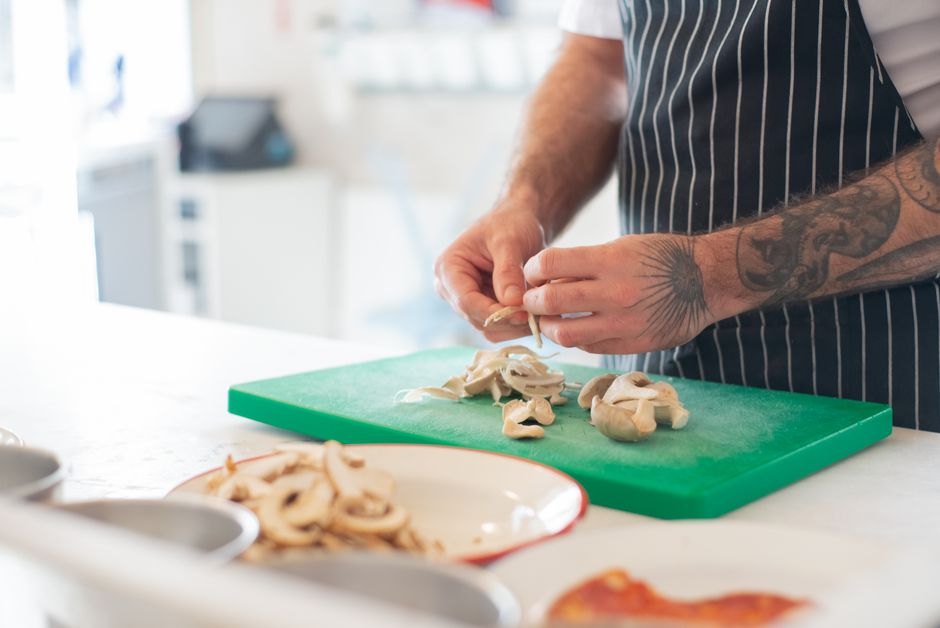
Once the stem is removed from a portobello, the underside of the cap forms a natural well, perfect for filling with chopped vegetables and nuts and baking — a classic vegetarian main course. Sliced thick and pan-seared until golden on both sides, they turn juicy and savory with a texture reminiscent of steak, which is why they’re so popular in Western vegetarian cooking.
Storage
Button mushrooms don’t do well sealed in humidity — store them in a paper bag in the refrigerator rather than a plastic bag, which traps moisture. They’ll generally keep for 5 to 7 days; discard any that become noticeably wet or slimy.
Tips
A faint, fuzzy white bloom on the cap surface is completely normal — just wipe it off gently with a damp cloth rather than rinsing, which can make the mushroom waterlogged and soft. Before slicing, clean off any surface dust with a soft brush or damp paper towel instead of running them under water: mushroom flesh is porous and absorbs water readily, and washed mushrooms tend to release excess liquid during cooking, which hurts both texture and browning — something to keep in mind especially when you’re going for a well-seared, caramelized result.