Rice Milk
Made by blending rice into a milk, rice milk is light with a faint natural sweetness — the gentlest, lowest-allergen plant milk around, and a good fit for anyone allergic to nuts or soy.
Nutrition
Rice milk has about 9–10 grams of carbohydrates and less than 1 gram of protein per 100 grams — the lowest protein of any plant milk. It's also the lowest-risk option for allergies, being free of gluten, nuts, and soy, which makes it suitable for people managing multiple food allergies.
How to Choose
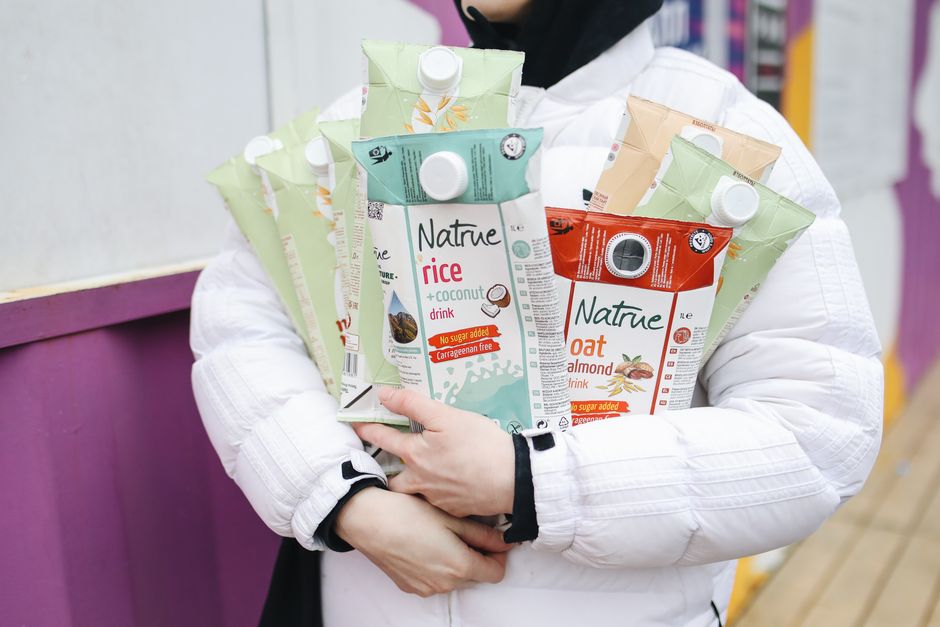
Since rice milk is naturally low in both protein and nutrient density, check whether it's been fortified with extra calcium, vitamin D, and vitamin B12. If it's your main plant milk day to day, pair it with other high-protein foods to round out your diet.
Cooking
Rice milk's light body suits drinking straight, making rice pudding, or pouring over cereal. Its naturally mild sweetness also makes it a common transitional drink during weaning, though it should still be used under professional guidance and shouldn't fully replace breast milk or formula.
Storage
Unopened rice milk keeps at room temperature or in the fridge, as labeled. Once opened, refrigerate it and aim to finish within 5–7 days; stop drinking if it separates, develops sediment, or smells off.
Tips
Most commercial rice milk is made from either brown or white rice — the brown rice version has slightly more fiber and a fuller flavor, though a somewhat coarser texture, so the choice comes down to personal preference. Rice milk carries a natural sweetness of its own, so if you're watching sugar intake, check the label for added sugar and choose an unsweetened plain version where possible.