Sunflower Seed
Sunflower seeds, the seeds of the sunflower plant, are slender and crunchy, and their high vitamin E content makes them a beloved everyday snack and a common salad topping.
Nutrition
Per 100 grams, sunflower seeds contain about 51 grams of fat. Their vitamin E content ranks among the highest of any nut or seed, and they're also rich in linoleic acid and other unsaturated fats — a natural source of antioxidant nutrition, and a good way to get plant-based vitamin E in moderation.
How to Choose
Good sunflower seeds are plump and uniform, with glossy shells and a naturally fresh scent. Plain roasted seeds are the healthier choice; when buying seasoned varieties, check the salt and additive content and avoid heavily flavored products.
Cooking
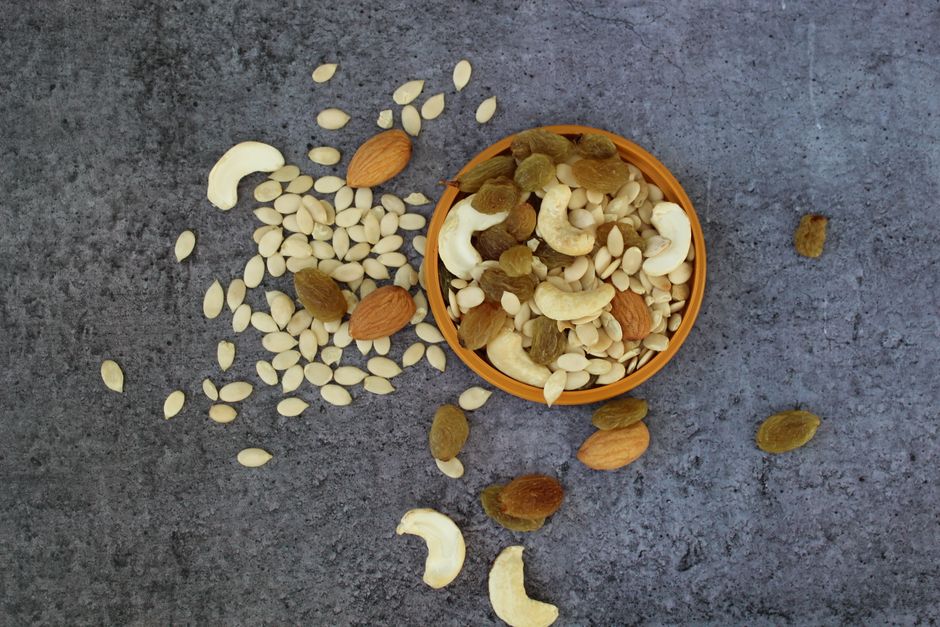
Shelled sunflower seed kernels can be eaten straight as a snack, or sprinkled over salads, bread, and baked goods for crunch. Crushed sunflower seeds also make a good stand-in for vegan parmesan — especially good paired with nutritional yeast.
Storage
Sunflower seed kernels are high in oil and oxidize easily, so seal and refrigerate them to extend freshness. Seeds still in the shell can be kept at room temperature in a cool, dry place, but should be eaten promptly once opened.
Tips
Shelled sunflower seed kernels should be an even pale gray-green; if they look yellowed, dull, or smell distinctly rancid, they've oxidized and shouldn't be eaten. The oil in sunflower seeds is high in linoleic acid, an unsaturated fat, but prolonged high-heat roasting can destroy some of this nutritional value and may produce oxidation byproducts — so keep an eye on temperature and time when roasting them at home.