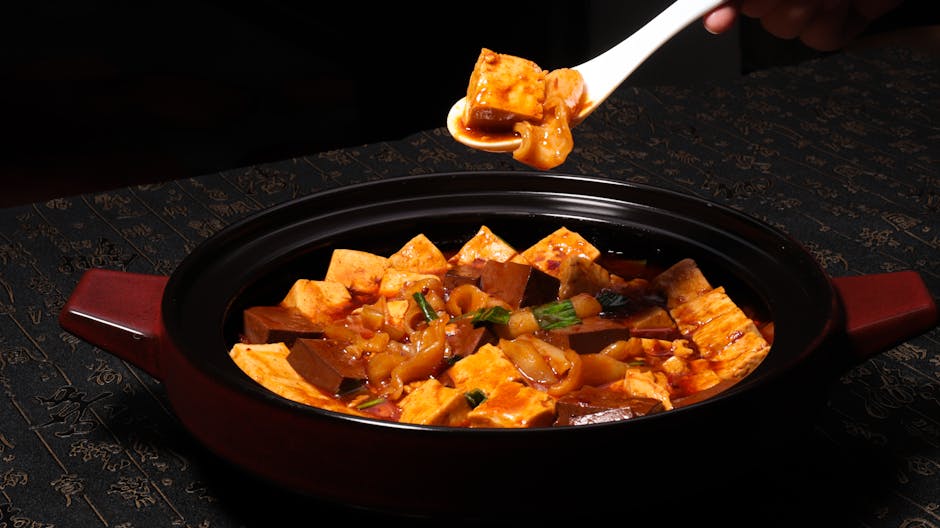
Dried Bean Curd Sticks
Dried bean curd sticks are made by lifting the skin that forms on boiled soy milk and hanging it to dry — an extremely protein-dense product that turns soft and sauce-absorbent once soaked and simmered.
Nutrition
Dried bean curd sticks contain about 44 to 50 grams of protein and roughly 21 grams of fat per 100 grams, making them one of the most protein-dense soy products around. They’re also rich in lecithin and various minerals, offering vegetarians an efficient source of energy and protein.
How to Choose
Good dried bean curd sticks have an even light-yellow color with a natural sheen and a slightly oily look, and stay whole and unbroken, with visible layering when snapped. Avoid products that look unusually white (possibly bleached), smell rancid, or show oily spots or mold on the surface.
Cooking
Soak dried bean curd sticks in cold or warm water for 2 to 4 hours until fully softened — soaking too quickly in hot water tends to leave them soft outside but still hard inside. Once softened, they’re ready for cold dishes, stir-frying, or braising; long simmering lets them fully absorb the flavor of the broth, which is why they’re a staple in mixed vegetarian dishes and dishes like Buddha Jumps Over the Wall.
Storage
Store dried bean curd sticks sealed in a cool, dry place, protected from moisture and pests, and they’ll keep for several months; discard immediately if they turn damp or smell rancid. Once soaked, refrigerate and use within 1 to 2 days.
Tips
Dried bean curd sticks come in two main forms: stick-shaped ones (which hold their shape well through long cooking and suit braising) and sheet-rolled ones (softer in texture and better for cold dishes) — choose based on what the recipe calls for. Before making a cold bean curd stick salad, blanch for 1 to 2 minutes to remove the raw soy taste and soften the texture, then dress with minced garlic, black vinegar, and chili oil — a refreshing, appetite-whetting classic on the summer table.


