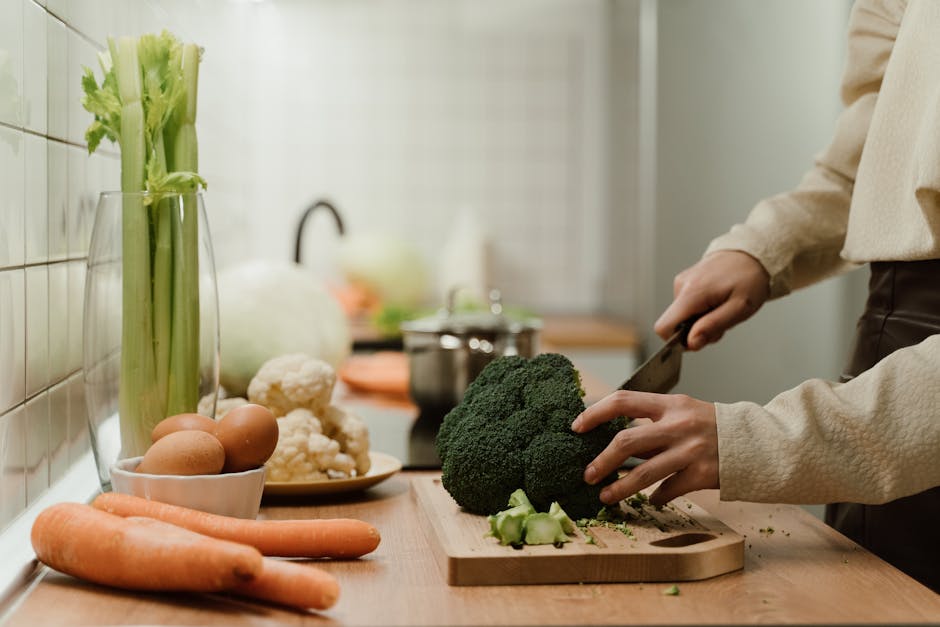
Raw Veganism: What Does an Uncooked Diet Actually Look Like
Raw diets emphasize keeping food below a certain temperature to preserve enzymes and nutrients — it sounds appealing, but pulling it off takes real skill.
What Is Raw Veganism
Raw veganism builds on a standard vegan diet by additionally requiring that food never be heated above a certain point — typically around 40-48°C (104-118°F) — on the premise that high heat destroys enzymes and some nutrients in food. Typical foods include salads, cold-pressed juices, sprouted legumes, and dehydrated nuts.
Benefits and Controversy
Advocates argue that raw food retains more vitamins and antioxidants. But nutrition researchers point out that certain vegetables — tomatoes and carrots, for instance — actually release some nutrients more readily after cooking, so raw food isn't universally superior to cooked food.
Practical Challenges
- Requires extra kitchen equipment (high-speed blenders, food dehydrators)
- Eating legumes and grains raw carries digestive and safety risks, so they need to be sprouted or soaked first
- People who run cold, or during winter, may find a diet heavy in raw, cold food hard to tolerate
Advice for Beginners
There's no need to go "100% raw." You can start with one raw salad meal a day, pay attention to how your body responds, and decide from there whether to increase the proportion. If you run cold, or it's wintertime, it's fine to lower the raw-food ratio and keep more warm, cooked dishes in the mix. There's no need to force yourself into eating cold food long term just to chase a "purer" form of the diet — your body's comfort should always come first.
Related reading
Seven Faces of Plant-Based Eating: A Complete Spectrum from Vegan to Flexitarian
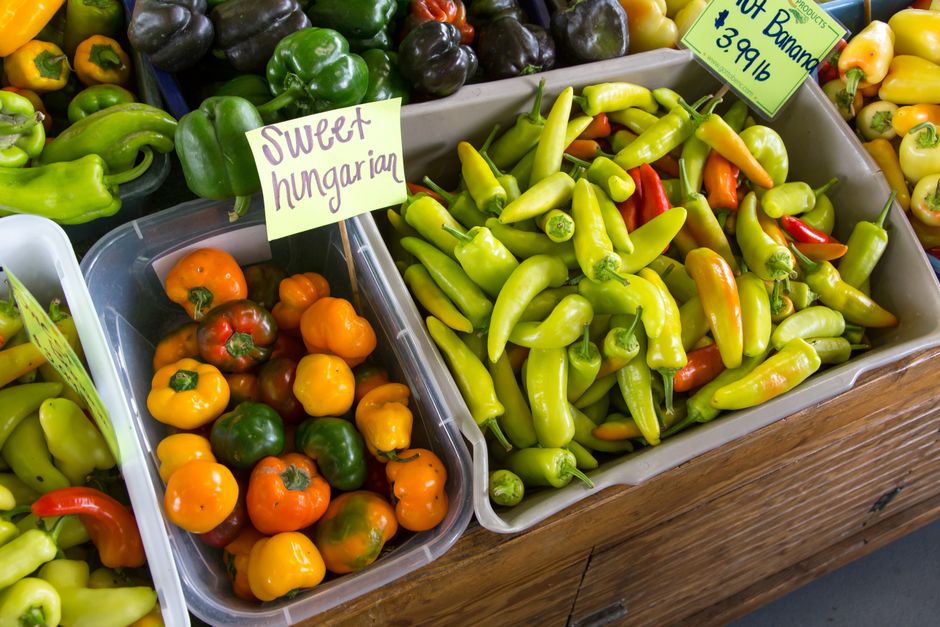
A Question Beginners Often Ask: What Type of Vegetarian Am I? A Self-Check List
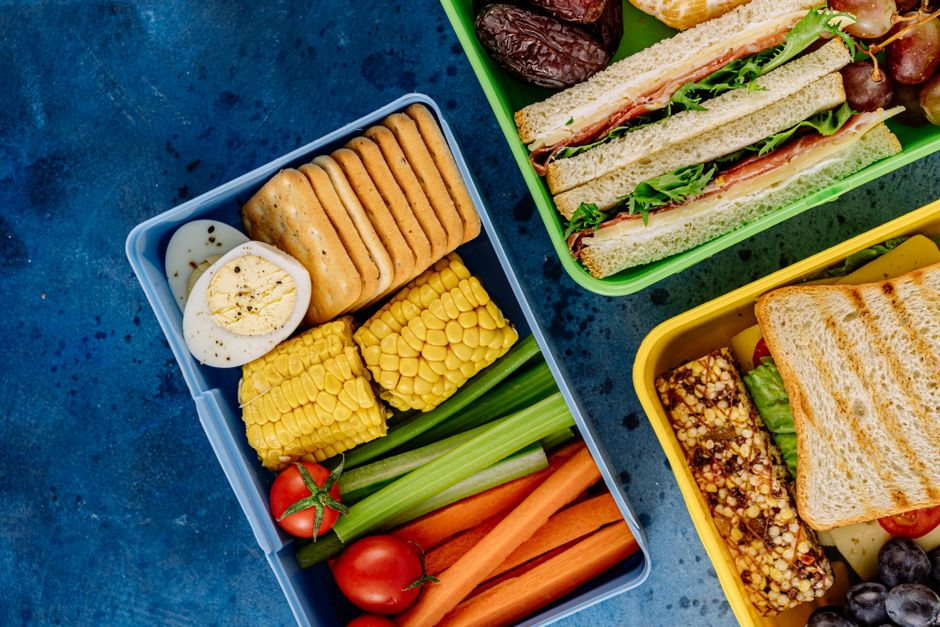
From Religious to Ethical: Understanding the Different Motivations Behind Vegetarianism